 selipavo
F001—024
Notice
The character catches a signal. The head arrives first; the rest of the body decides whether it matters.
Selipavo stages character animation from the first line of action to final notes—so timing, weight, and emotion all arrive in the same take.
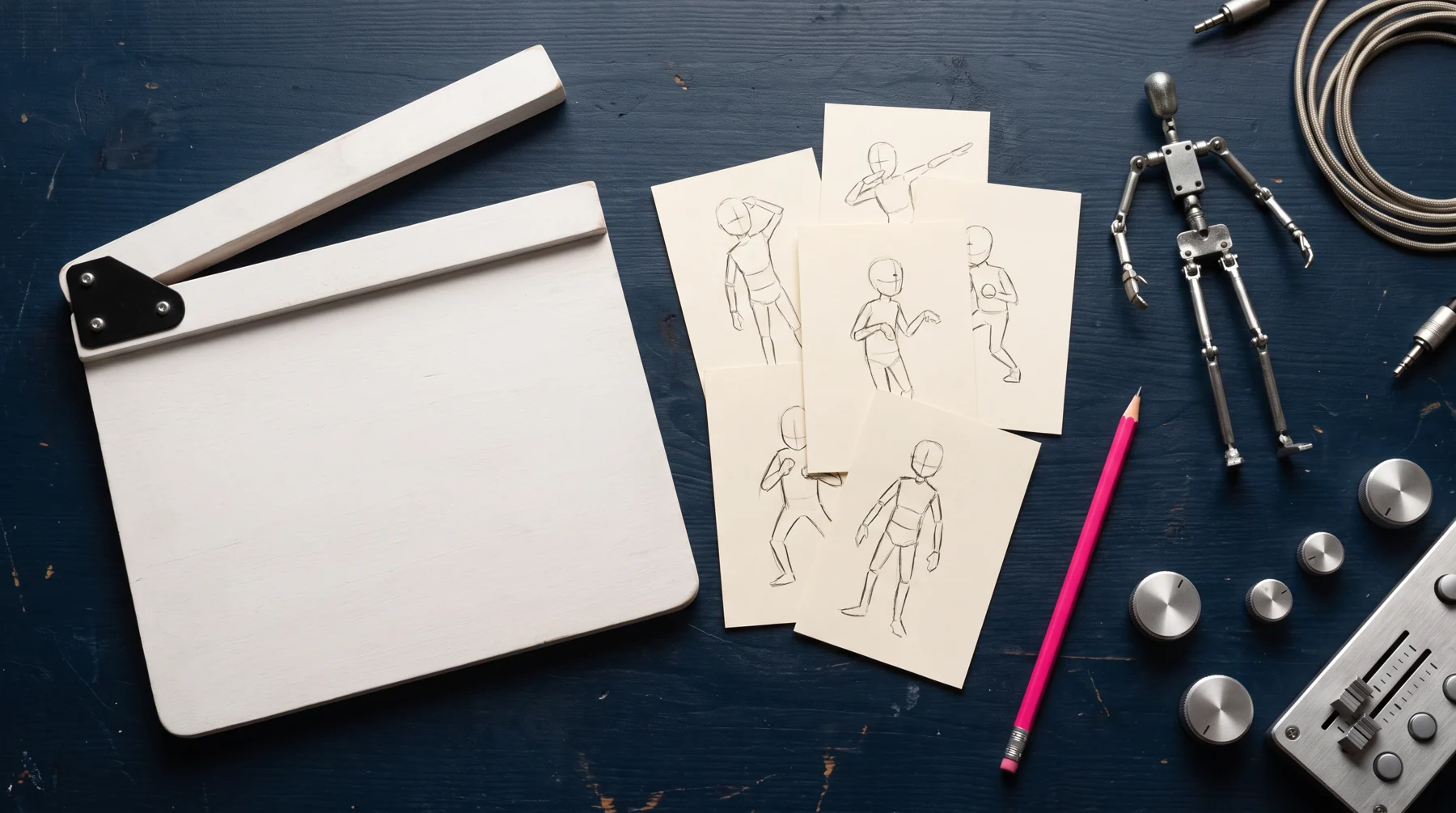
We pressure-test poses in sequence, not in isolation. That makes every silhouette legible, lets the eye find the intention early, and gives the in-betweens somewhere honest to travel.
Our blocking rail turns a loose direction into a readable chain of decisions before polish is allowed to distract from performance.
The character catches a signal. The head arrives first; the rest of the body decides whether it matters.
Weight leaves its old foot, the spine reshapes, and the silhouette opens toward the objective.
A controlled overshoot and a breathing settle let the choice land without becoming a mechanical stop.
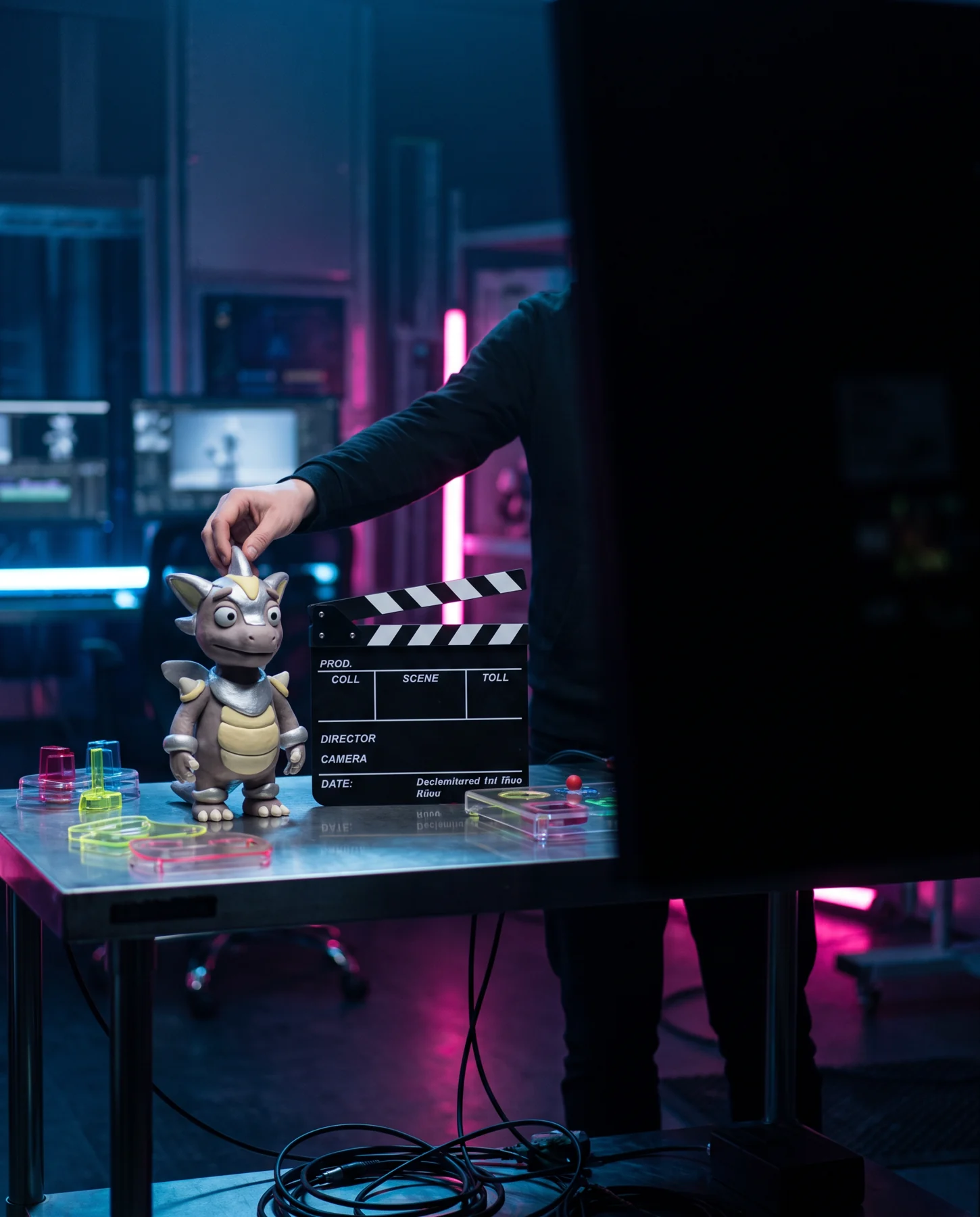
Explore a working control map. Each handle is named for the choice it supports, from gaze direction to planted weight.
Reference at Selipavo is a set of prompts—not a prison. Objects, observations, drawings, and tests live beside one another until a performance appears.
 Lighting / mood
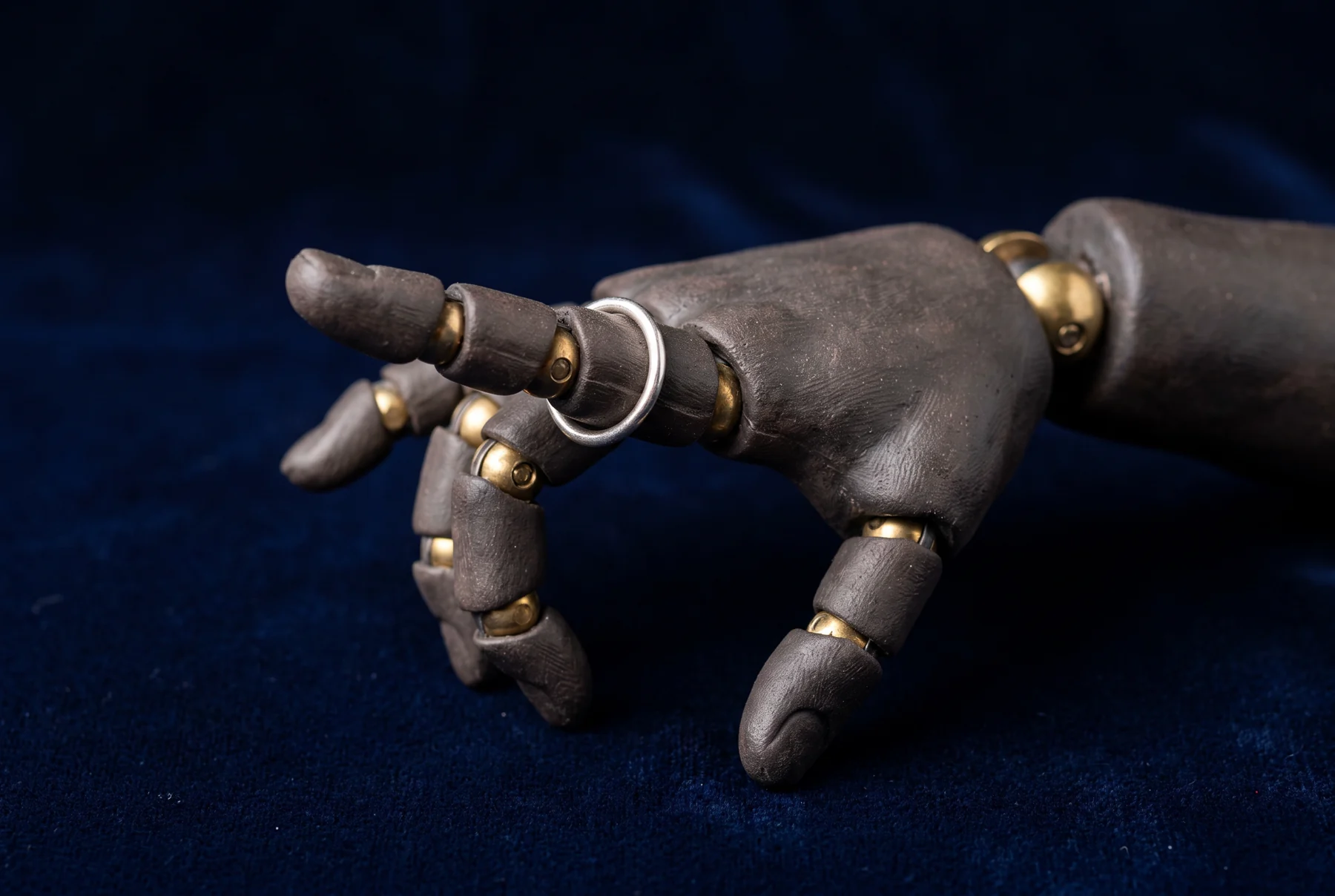 Hand mechanics
 Gesture language
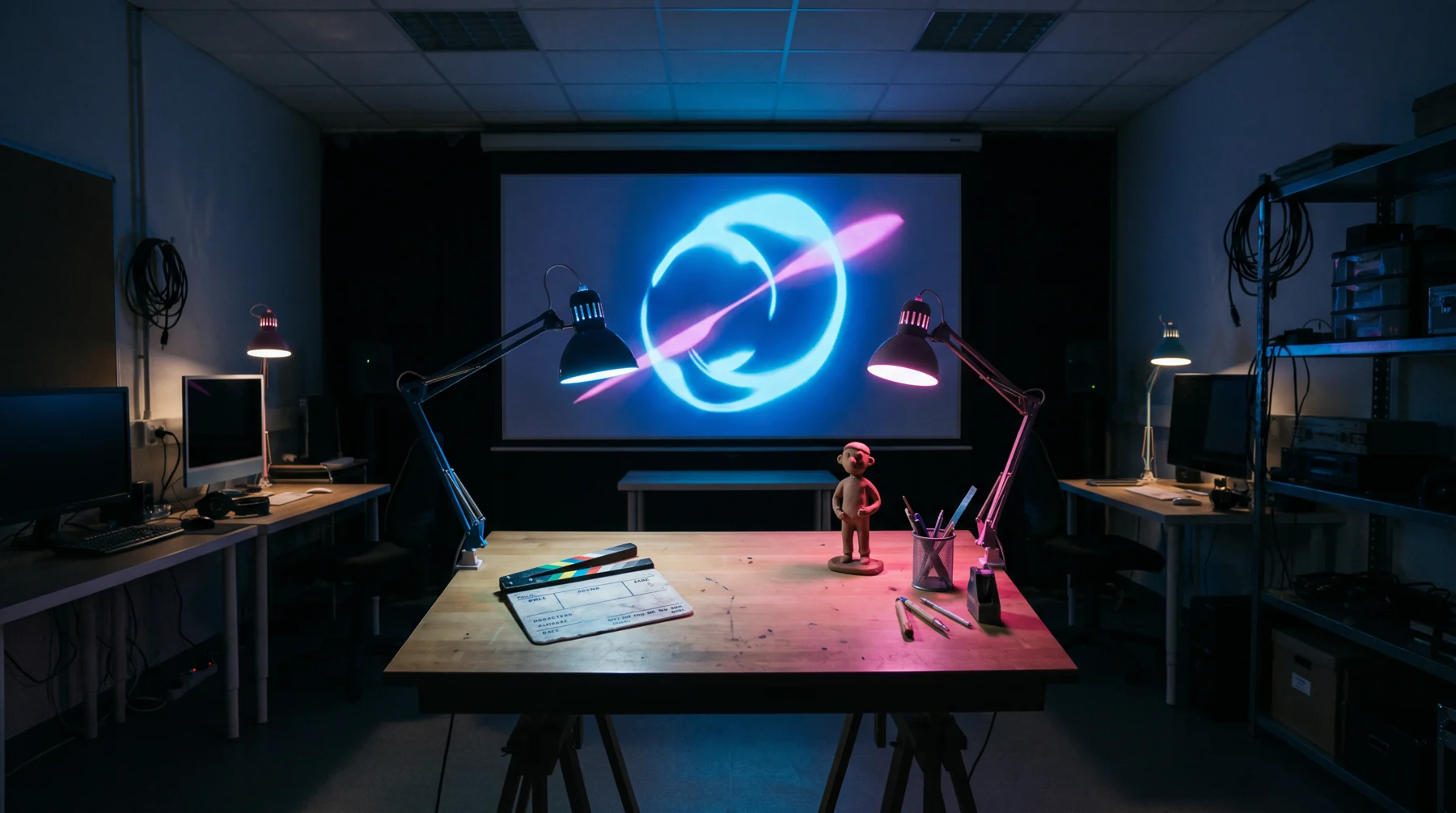 Scene atmosphere
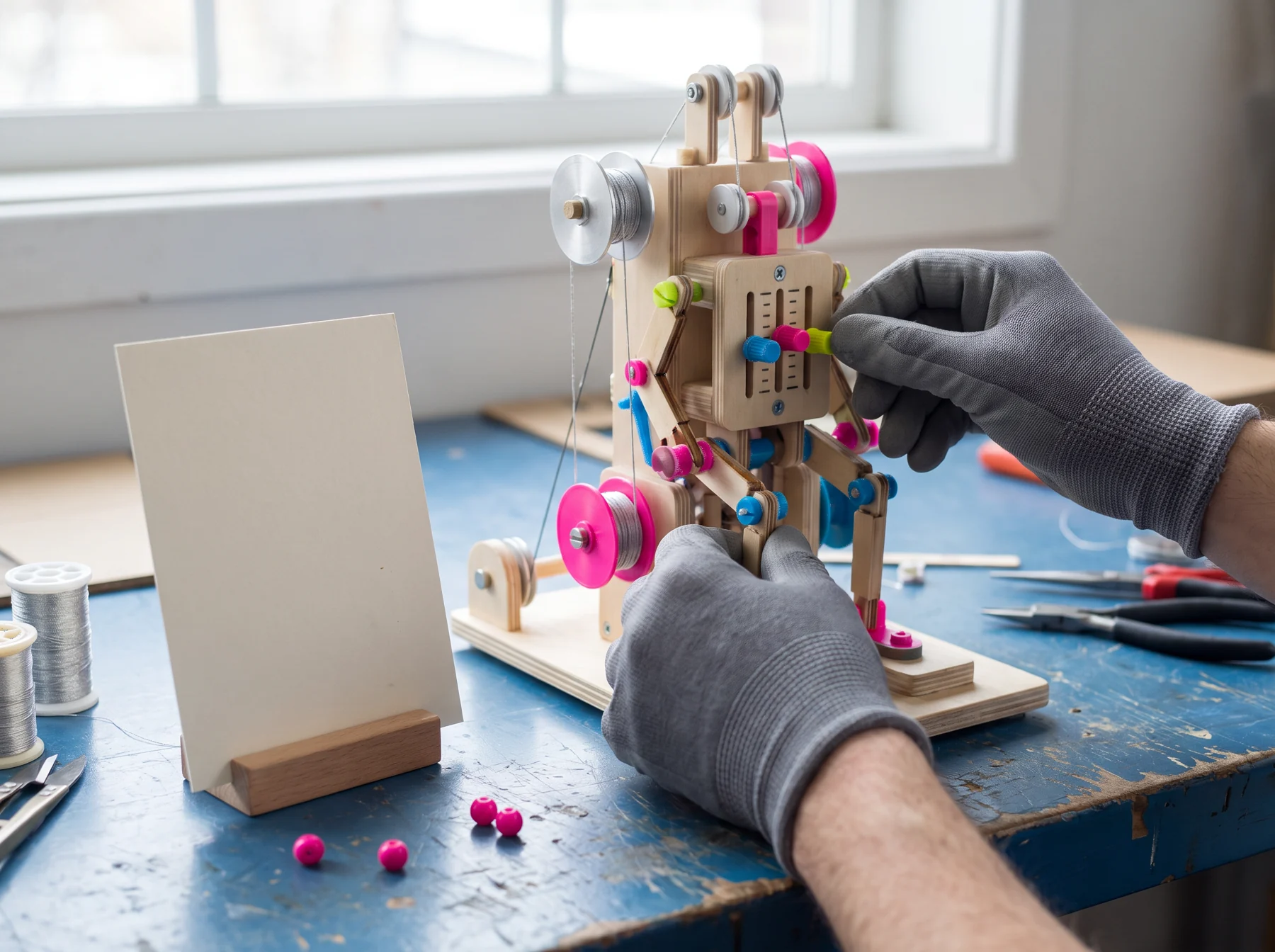 Physical timing
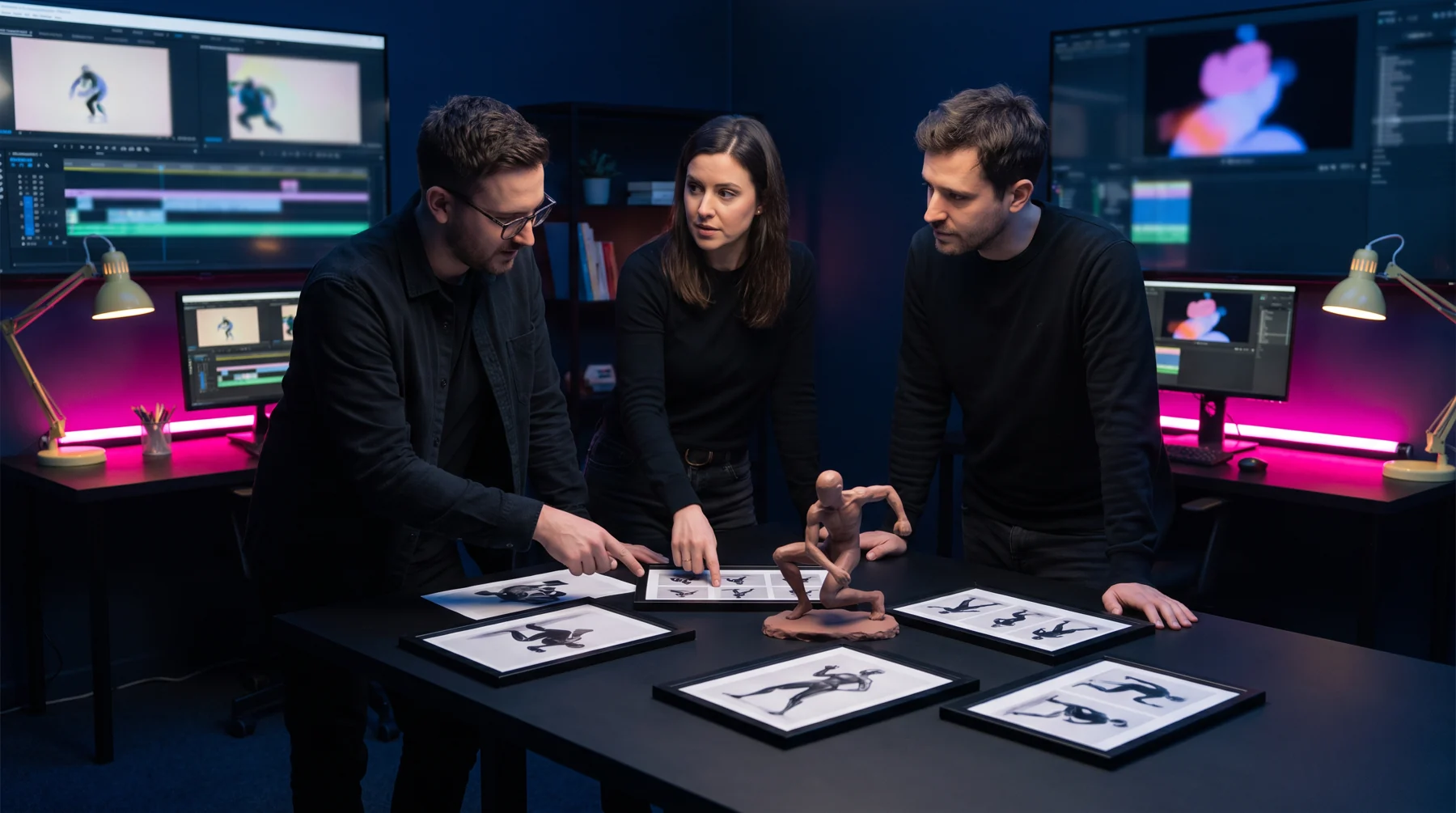 Team read
 Shot setup
Feedback is more useful when it can point to a frame, a decision, and a next move. Our review queue keeps the team focused on the work that changes the take.
Clarify the audience read, emotional shift, screen direction, and non-negotiable moment.
Build clear keys and create the empty spaces where the character can think.
Set spacing, overlap, and acceleration against the rhythm of the shot.
Translate notes into choices that can be seen, tested, and carried forward.
Versions retain a useful scene, take, and date signal from blocking through delivery.
Creative feedback lives beside a frame range, a priority, and an accountable next action.
Exports, playblasts, and source files are handed over with the context they need to travel.
Selipavo supports performance-led character animation for brand films, short-form stories, game moments, pitch visuals, and stylized product narratives. We are most useful when a scene needs a specific emotional read and the team wants to make timing, posing, and physical logic visible before the final polish obscures the decisions.
A rough brief is often enough to start a useful conversation. Send the story context, a target length, available art or rigs, references you like or dislike, and the moment the audience must understand. We will turn those ingredients into a scene question, a shot-lab sequence, and a small list of decisions to resolve first.
Yes. Selipavo can join an established pipeline when control conventions, delivery formats, and review ownership are clear. We begin by checking the rig for the controls the performance actually needs, then agree on shot files, version labels, frame rates, and note lanes so the collaboration feels integrated rather than bolted on.
Each review is organized around a plainly named version, exact frame ranges, and actionable notes. We distinguish exploratory choices from approval-ready work so feedback remains focused. Final delivery details are agreed in the scene brief and may include approved renders, playblasts, source project files, and a concise handoff record for your team.
Tell us what needs to move, what needs to be felt, and when the take needs to land. We will return with a focused first step.
Studio hours: Monday–Friday, 09:00–17:00 UTC
Direct line: [email protected]